

Best Orthopedic Doctor in Ramamurthy Nagar: Early Knee OA Signs
Knee pain can affect individuals of various ages although often affects older adults. One of the leading causes of chronic knee pain is osteoarthritis, whereby the cushioning cartilage within your knee joint gradually wears away. This causes the bones to rub together more, creating pain, stiffness and difficulty moving.
By recognising the symptoms of knee osteoarthritis you can prevent further joint damage and continue to move freely. Seeing the Best Orthopedic Doctor in Kalkere ,Ramamurthy Nagar will help you understand your condition and provide the right treatment for your level of knee pain.
What is Knee Osteoarthritis?
Knee osteoarthritis is a condition where the cushioning cartilage in your knee joint gradually wears away. Healthy cartilage allows your bones to glide easily during movement.
As the cartilage wears down, the joint can become inflamed, stiff and painful. Over time changes can occur within the bones and joint causing more difficulty with movement.
Although osteoarthritis is often associated with aging it can develop at a younger age if you have suffered knee injuries, carry excess weight, put extra strain on your knee and/or have a family history.
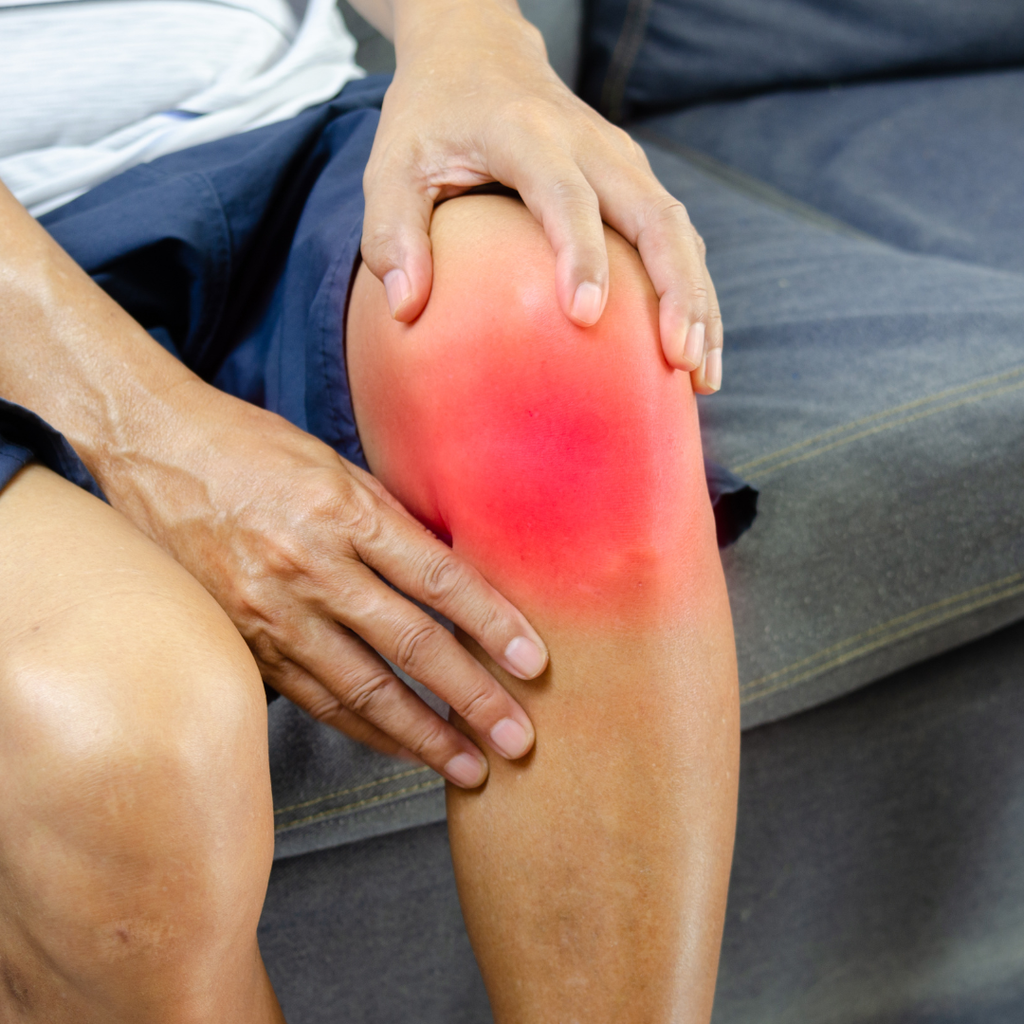
The Signs and Symptoms of Knee Osteoarthritis – Best Orthopedic Doctor in Kalkere, Ramamurthy Nagar
By spotting the early signs your symptoms can be treated in a timely manner by an orthopaedic specialist. Common symptoms include:
1. Knee Pain During Everyday Activities
Pain can occur with everyday activities. You may experience pain when walking, standing for long periods of time, climbing stairs or getting up from a chair.
Pain can initially occur during movement, however with worsening osteoarthritis the pain can become frequent and cause disruption to your daily activities.
2. Morning Stiffness
Individuals may experience stiffness following waking up or prolonged sitting. Your knee may feel stiff and difficult to bend or straighten.
Stiffness usually improves with movement. However stiffness can return after prolonged sitting.
3. Swelling
Swelling can occur as the inside of your joint becomes inflamed. Some people may notice puffiness around their kneecap. You may also feel tightness when bending your knee.
If you continue to experience swelling you should see a specialist to try to identify the cause.
4. Grinding Sensation
The grinding, clicking, or crackling feeling occurs during movement as a result of changes occurring in the joint surface and surrounding tissues.
Occasional clicking may not be problematic but persistent grinding, which is painful and causes stiffness, may point to the problem in your knees.
5. Trouble Ascending the Stairs
Ascending the stairs increases the pressure on the knee joints. You can have pain ascending and descending the stairs due to osteoarthritis. The problem may worsen after prolonged activity.
It can lead to a decrease in your confidence in the long run.
6. Limited Flexibility
As osteoarthritis progresses you may struggle to bend or straighten your knee. This lack of movement could lead to complications with your squats, cross-legged sitting and even walking.
Assessment early on could show the extent of the changes in your joint to determine the best treatment for you.
What are the causes of Knee Osteoarthritis?
There are many possible reasons that could raise the risk of your having knee osteoarthritis:
- Ageing – cartilage could lose its ability to withstand repeated stresses.
- Previous knee injuries – damage done to the ACL, meniscus and fractures could put you at risk.
- Being overweight – being overweight puts an extra strain on your joints.
- Repetitive activities – work or sporting activities that require repetitive movements could cause excessive strain on your joint.
- Family history – having a family history of this condition could put you at risk.
- Weakened muscles – weakened muscles can cause problems with movement.
Diagnosis of Knee Osteoarthritis
Diagnosis of knee osteoarthritis is important to provide appropriate treatment. The orthopedic doctor normally begins with an interview about your knee pain and any prior injuries or illnesses.
Physical examination may be conducted to evaluate your knee mobility, pain, swelling, muscle power and your walk.
The X-ray examination may be conducted to see the loss of joint space, bone spurs and other signs of knee osteoarthritis. MRI scanning may also be conducted for a more detailed examination of your cartilage, ligament and meniscus.
Knee Osteoarthritis Treatment
- The treatment would depend on the degree of damage in the cartilage, amount of pain, range of movement and requirements.
- Lifestyle Modifications – Maintenance of appropriate body weight, limiting excessive load on knees and selecting low impact exercises can assist in reducing the stress.
- Physical Therapy – A customized physical therapy program can be designed. This may involve strengthening of muscles, improving flexibility and correcting movements. Strengthening of quadriceps muscles along with surrounding muscles can provide proper support.
- Medications – Your doctors might suggest some medications that can decrease the pain and inflammation. These should be taken in consultation with the doctor.
- Injection – Some of the patients may need injection based on their condition. Pros and cons should be discussed with your consultant.
- Surgery – If your osteoarthritis reaches an advanced stage and affects your daily activities, then knee replacement surgery may be recommended. This is done by replacing the worn out surfaces with artificial implants.
All the patients do not need surgery. It would depend on your symptoms, imaging findings, overall fitness and response to other treatments.
When Should I Consult an Orthopaedic Specialist?
If you have persisting pain in your knees, recurring swelling, difficulty in moving around due to stiffness and find that you cannot walk comfortably then you should consult an orthopaedist for evaluation.
Consulting the Best Orthopedic Doctor in Kalkere , Ramamurthy Nagar will enable the assessment of the severity of your osteoarthritis condition and treatment through conservative measures, rehabilitation or surgery may become necessary.
Early diagnosis and customisation of treatment can help you retain your mobility and lead a comfortable life.
Conclusion
Osteoarthritis of the knee joint can slowly impact on your overall health, mobility and daily activities. It is essential to identify symptoms of pain, stiffness, swelling, grinding noise and decreased flexibility.
If you have any discomfort in your knees Aadhvi Healthcare | Monesh Orthopaedic Centre | NRI Layout Kalkere can offer you orthopaedic services that can help diagnose and treat your knee problems. You can get yourself assessed by consulting Dr. Monesh that will help you understand your knee condition and the best way to manage it.
For appointments and consultations, contact 9620296789 or visit Aadhvi Healthcare, 4, 5, 6 Nagashree Enclave, Kalkere Main Road, NRI Layout, Bangalore, Karnataka – 560043.